
All Wrapped Up
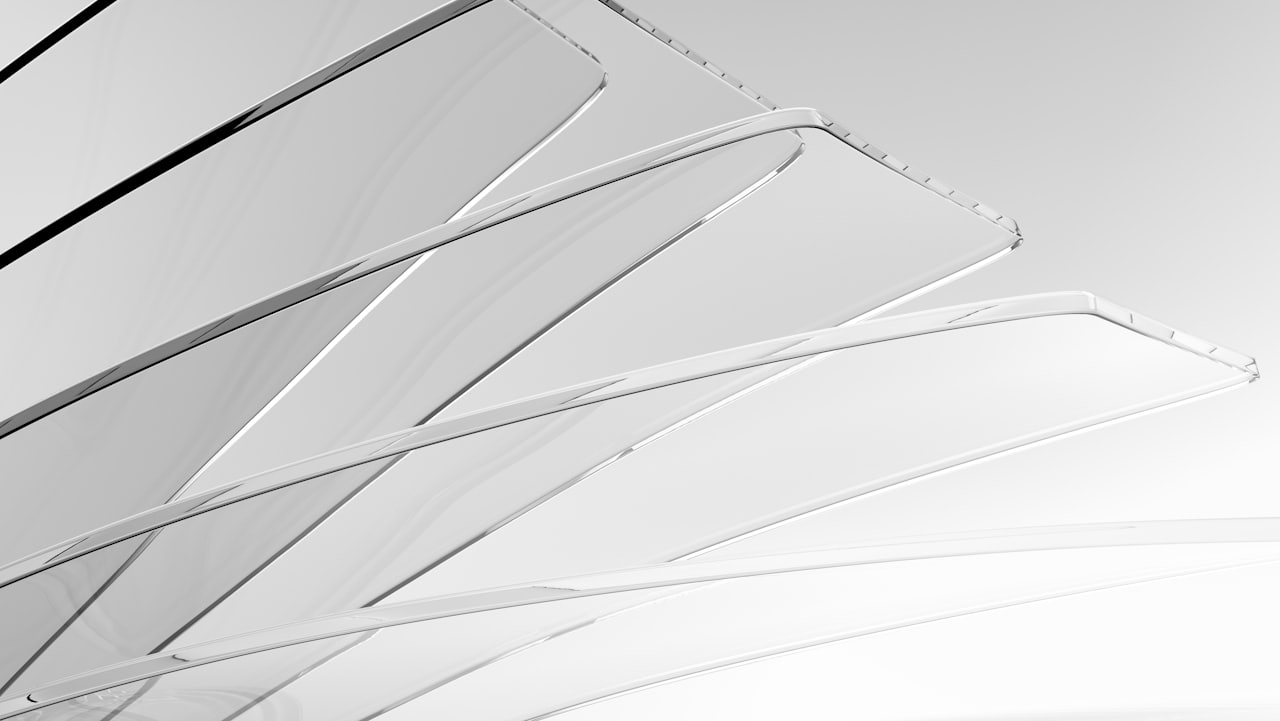
Architectural wrapping is a design technique used in architecture and construction where materials or elements are wrapped around a structure or component to enhance aesthetics, provide protection, or improve functionality. This method can involve wrapping buildings, columns, beams, or other architectural features with various materials such as metal, wood, fabric, or composite panels. The purpose of architectural wrapping includes:
- Aesthetic Enhancement: Wrapping can transform the appearance of a building or structure, allowing for creative and modern designs that stand out.
- Protection: It can protect underlying materials from weather, corrosion, or damage.
- Insulation: Some wrapping materials provide additional thermal or acoustic insulation.
- Branding: Wrapping can be used to display logos, advertisements, or thematic designs on buildings.
- Preservation: Wrapping historic or delicate structures can help preserve them during renovations or environmental exposure.
Common types of architectural wrapping include vinyl wraps, metal cladding, wood paneling, and fabric canopies. This technique is widely used in commercial, residential, and public architecture to achieve unique and functional design solutions.
This is the first use case title
This is the first use case description, explaining its purpose and highlighting how it effectively solves a specific problem while improving overall efficiency.
This is the second use case title
This is the second use case description, highlighting how it simplifies a crucial process and improves the overall user experience.
This is the third use case title
This is the third use case description, showcasing its ability to optimise operations and contribute to better outcomes in practical scenarios.